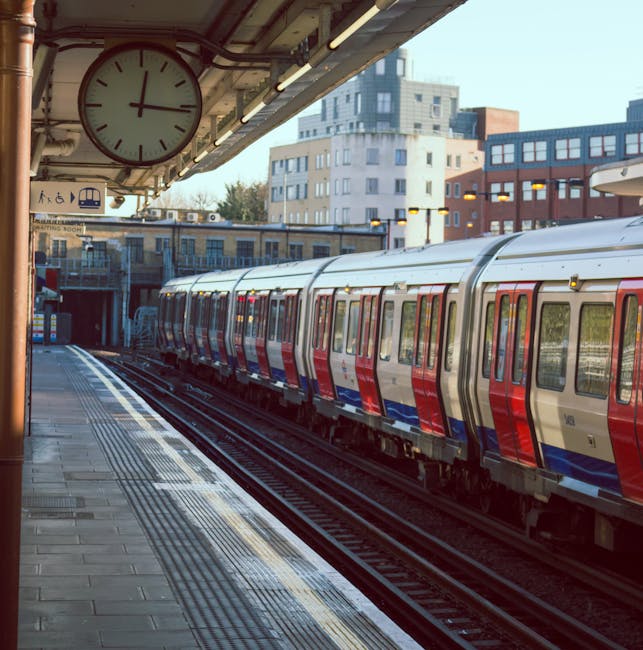
Moving near Bermondsey Tube Station removals and timing tips
Moving near Bermondsey Tube Station can feel deceptively simple on a map and slightly chaotic in real life. The station area is busy, the roads can tighten up fast, and a move that looked like a neat two-hour job on paper can turn into a longer day if timing is off. That is exactly why Moving near Bermondsey Tube Station removals and timing tips matters so much: the right plan helps you avoid congestion, reduce stress, and keep your belongings moving smoothly from one place to the next.
This guide walks you through the practical side of moving in and around Bermondsey, from choosing the best time slot to understanding what kind of removals support makes sense for your property size and schedule. Whether you are moving a flat, a family home, or a small office, you will find usable advice here, not fluff. And yes, a little timing discipline goes a very long way.
Table of Contents
- Why moving timing matters near Bermondsey Tube Station
- How local removals planning usually works
- Key benefits and practical advantages
- Who this is for and when it makes sense
- Step-by-step guidance for a smoother move
- Expert tips for better results
- Common mistakes to avoid
- Tools, resources and recommendations
- Law, compliance and best practice
- Options and comparison table
- Case study or real-world example
- Practical checklist
- Conclusion
- Frequently asked questions
Why Moving near Bermondsey Tube Station removals and timing tips Matters
Timing is not just a nice extra on moving day. Around Bermondsey Tube Station, it can be the difference between a calm handover and a frustrating delay. The area sees a mix of commuters, delivery vehicles, residents, and people moving through nearby streets at all hours. So if you arrive at the wrong time, even a small van can feel like it is fighting for space.
That matters for several reasons. First, a late arrival can throw off building access windows, lift bookings, and parking arrangements. Second, removals teams often work to a tight schedule, so a lost half-hour can snowball into extra waiting time and a more tiring day for everyone. Third, if you are moving into a flat or maisonette nearby, building rules and neighbour expectations can be stricter than you expect. Let's face it, nobody wants to be the person dragging a wardrobe up the stairwell while someone is trying to get out the front door for work.
Good timing also protects your items. Less rushing usually means fewer knocks, better packing decisions, and a more measured route from van to door. That is especially useful when dealing with fragile items, awkward furniture, or pieces that need temporary storage while keys, paperwork, or access details are sorted. If that is part of your move, removals and storage can be a useful option to consider.
Expert takeaway: near a busy London station, moving success is often less about brute force and more about timing, access, and calm coordination. A well-planned two-hour move usually beats a rushed four-hour one.
How Moving near Bermondsey Tube Station removals and timing tips Works
The process is straightforward in theory. In practice, it works best when you treat the move like a short project with clear stages. You book the right moving support, choose a sensible time window, check access at both ends, and make sure your packing is ready before the van arrives. Simple, but not always easy if you leave it late.
A typical local move near Bermondsey might involve a van arriving early, loading being completed before the busiest part of the day, and then a direct run to the new property. If the move is small, a man and van service may be enough. If you are moving a full household, you may need a more structured house removals service. For compact apartments, a tailored flat removals approach is often the better fit.
Timing tips matter at each stage:
- Before moving day: confirm keys, lift bookings, parking, and access codes.
- Early on the day: keep the route clear and finish final packing before the team arrives.
- During the move: load the largest items first, then the boxes, then the essentials last.
- After arrival: place beds, white goods, and daily-use boxes first so the new place becomes liveable quickly.
For business relocations, the process changes a little. You may need to keep downtime to a minimum, move files securely, and protect equipment. In that case, office removals or business storage can help you stage the move rather than forcing everything into one stressful block.
Key Benefits and Practical Advantages
When you get the timing right, the benefits are immediate and very noticeable. You spend less time sitting in traffic, less time waiting for access, and less time worrying that you have annoyed the neighbour downstairs. That last one sounds small, but it matters more than people think.
Here are the main advantages of planning removals carefully near Bermondsey Tube Station:
- Less congestion pressure: early or mid-morning slots can be easier than peak commuter periods.
- Better building coordination: lift bookings and access windows are easier to honour when the schedule is realistic.
- Reduced handling stress: a smoother route means fewer rushed lifts and fewer accidental scrapes.
- Lower chance of extra charges: delays can create knock-on costs, especially if the team is held up by access problems.
- More room for storage planning: if your move is split into phases, short-term storage makes the whole thing feel less frantic.
For many people, timing also improves decision-making. If the move is not all going in one go, you can use short-term storage or mobile self storage to bridge the gap between leaving one property and settling into the next. That can be a very tidy solution when handover dates do not quite line up.
Another practical advantage is peace of mind. You know where the van will be, what time it will arrive, and how the day is supposed to unfold. Honestly, that alone can make the whole experience feel ten times lighter.
Who This Is For and When It Makes Sense
This guide is useful for almost anyone moving in the Bermondsey station area, but it is especially relevant if you are dealing with limited access, a narrow street, a lift booking, or a move that has to happen quickly. If your property is close to the station, timing becomes part of the logistics, not an afterthought.
You will probably benefit most if you are:
- Moving into or out of a flat near Bermondsey Tube Station
- Relocating a family home in the surrounding streets
- Moving a small office or studio and need to avoid business disruption
- Handling a student move, where deadlines are tight and possessions are awkwardly assorted
- Trying to stage a move with temporary storage in the middle
Students often need faster, lighter support, especially around term changes. In that situation, student storage and small removals can be a practical pairing. If you are moving a one-bed flat with a sofa, a bed frame, and several boxes of books, that kind of solution can be a lot more sensible than booking a full house move.
There is also a strong fit for people who simply do not want to carry everything in one day. That is fair enough. Some moves are easier in two stages, especially if the new property needs cleaning, decorating, or a bit of time before everything is settled.
Step-by-Step Guidance
If you want the day to run well, keep the process structured. Here is a practical sequence you can follow.
- Assess the move size. Count rooms, large furniture, fragile items, and anything awkward like mirrors, bikes, or exercise equipment.
- Check access at both addresses. Look at stairs, lifts, parking, loading points, and any time restrictions.
- Choose the right service level. A compact move may suit man and van, while a more involved property usually needs a fuller removals option.
- Book the best time window. Aim for a slot that avoids rush-hour traffic and gives you a buffer if anything runs late.
- Pack in advance. Boxes should be labelled clearly, and essentials should be separated from everything else.
- Reserve storage if needed. If completion dates are uncertain, use self storage or long-term storage depending on how long you need the space.
- Confirm the final details. Double-check keys, entry codes, insurance cover, and contact numbers the day before.
A small but important note: keep one "first night" box apart. Put bedding, chargers, toiletries, snacks, and a kettle in it. You will thank yourself at 8:30 pm when the last box has vanished into a corner and the kettle is still missing. Been there, unfortunately.
If you are not confident about packing delicate items or heavy furniture, it can be worth using packing services. Professional packing is not just for fragile crockery; it can save time, reduce breakages, and make loading more efficient too.
Expert Tips for Better Results
A few small choices can make a surprisingly big difference. In our experience, the people who have the smoothest move are rarely the ones with the fanciest packing materials. They are the ones who planned the details early and stayed realistic.
Pick your time with the local rhythm in mind
Near Bermondsey, weekday commuter patterns can affect how easy it is for vehicles to stop, unload, or reverse safely. Early morning is often calmer than later in the day, but the best slot depends on your building and your access arrangements. If your property has a loading bay or a managed entrance, align your time with that rather than with general traffic assumptions.
Keep bulky items ready first
Large furniture usually takes the most energy and space, so get it dismantled and ready before the van arrives. If you are moving wardrobes, beds, or tables, a dedicated furniture-focused plan can save a lot of faff. For items you do not need immediately, furniture storage may be useful during the transition.
Use storage as a pressure valve
Some moves simply do not line up neatly. That is normal. If your sale completion and your new tenancy start are a few days apart, or if you need room to decorate, storage can buy breathing space. For secure handling, especially for valuables or documents, secure storage and document storage are worth considering.
Do not ignore the "little" jobs
Key handover, meter readings, bin access, and where to leave bulky recycling can all affect how smooth the day feels. They are not glamorous tasks, but they prevent those annoying five-minute delays that somehow turn into twenty. Funny how that happens.
Ask about environmental handling
If you are clearing out items you do not want to move, ask how they will be handled. A move often creates waste, and responsible sorting matters. If sustainability is important to you, you may want to look at the company's recycling and sustainability information before you book.
Common Mistakes to Avoid
Most moving headaches are preventable. The annoying part is that they are usually the sort of things people know, in the back of their mind, but still skip because the week is busy.
- Leaving booking too late: the best moving windows go quickly, especially at weekends and month-end.
- Ignoring access restrictions: if the van cannot stop close enough, everything takes longer.
- Packing mixed boxes: one box with kitchenware, cables, and bathroom items in the same pile is chaos in cardboard form.
- Forgetting building rules: some properties have specific move times, lift protection, or entry procedures.
- Underestimating the volume: "It's not that much" is one of the most famous moving-day lies.
- Not having a backup plan: if keys are delayed, you may need short-term storage or flexible timing.
One of the biggest mistakes near Bermondsey Tube Station is assuming every minute looks the same. It does not. A slot that works on a quiet Tuesday can feel very different on a busy Friday afternoon. If you can avoid the spike, do it.
Another common slip is forgetting to protect floors and door frames, especially in flats with tight hallways. A bit of care here saves grief later. A scuffed wall is never a nice surprise, and it is such a preventable one.
Tools, Resources and Recommendations
You do not need a huge stack of gadgets to move well, but a few basics help a lot. Think of them as the practical kit that keeps the day on track.
- Labels and marker pens: simple, but essential for room-by-room unpacking.
- Bubble wrap and paper: for fragile items, glass, and odd-shaped pieces.
- Furniture blankets: useful for protecting corners, surfaces, and doors.
- Basic tool kit: for dismantling beds, shelves, and tables.
- Tape, scissors, and cable ties: small things that save time when the pressure is on.
For people who want a more hands-off move, a service bundle can be easier than trying to coordinate everything separately. A combined removals and storage solution may suit a staggered move, while mobile self storage can be helpful if you want items collected and held without multiple trips.
Businesses often need a different setup altogether. Files, IT equipment, and desks need a more careful strategy, so office storage can be a smart bridge if you are relocating in phases. That way, the business does not have to grind to a halt while you shuffle boxes around.
Law, Compliance, Standards, or Best Practice
For a residential move, the main compliance issues are usually practical rather than legal: access permissions, parking arrangements, and building management rules. For business moves, there can be extra considerations around data handling, equipment safety, and how to minimise disruption. If you are moving sensitive records, keep them controlled and clearly labelled, and avoid leaving them unattended in shared spaces.
Insurance is another area worth treating carefully. You should understand what is covered during transit, what is excluded, and whether any high-value items need special handling. It is worth reading the provider's insurance and safety information and the terms and conditions before booking. That is not the glamorous part of moving, admittedly, but it is one of the wise parts.
Health and safety also matters. Lifting, carrying, and navigating stairs can create real injury risk if the job is rushed. Good removals practice usually means keeping walkways clear, using the right lifting technique, and avoiding overloaded boxes. If a company has a published health and safety policy, that is a reassuring sign that they take the practical side seriously.
For payment, security, and personal data, it is sensible to check how bookings are handled. A transparent payment and security approach helps reduce stress before moving day even starts. If you ever need to ask questions or clarify details, use the company's contact us page directly.
Options, Methods, or Comparison Table
Different moves call for different methods. A good removals plan is not about choosing the biggest service. It is about choosing the right one for your property, your timing, and your tolerance for hassle.
| Option | Best for | Strengths | Watch-outs |
|---|---|---|---|
| Man and van | Small flats, a few large items, lighter moves | Flexible, usually quicker to arrange, often cost-effective | May not suit larger homes or many bulky items |
| Flat removals | Apartment moves near stations or managed buildings | Built for access issues, stairs, and compact layouts | Needs accurate access info and timing coordination |
| House removals | Full home relocations | More capacity, better for multi-room moves | Needs more preparation and usually more time |
| Removals and storage | Moves with date gaps or staged delivery | Reduces pressure when completion dates do not align | Requires planning for access to stored items later |
| Office removals with storage | Business or studio relocations | Helps manage downtime and protect equipment | Needs careful labelling and inventory control |
If your move is smaller than you first thought, small removals may be a better fit than a full-scale service. If you are dealing with a larger domestic transition, household storage can help you keep less-used items out of the way while the main move happens.
Case Study or Real-World Example
Here is a realistic example. A couple moving out of a one-bedroom flat near Bermondsey Tube Station had the usual problem: the new property was ready two days after the old one had to be vacated. Not disastrous, but awkward. They also had a bed, a sofa, a dining table, and several boxes of books that did not need to be handled twice if it could be avoided.
Instead of trying to cram everything into a single risky day, they booked a morning slot for the main move and placed the remaining boxes into short-term storage. That gave them time to clean the old flat properly, collect the keys for the new place, and move the last items in a calmer second trip. The difference was not dramatic on paper, but on the day it felt enormous.
What worked well for them was simple:
- They avoided a late-afternoon arrival.
- They separated essentials from non-essentials.
- They used storage to handle the timing gap.
- They kept the lift and access details clear from the start.
The whole move still had a few bumps, of course. Moving always does. But because the timing was planned properly, none of those bumps became a full stop.
Practical Checklist
Use this checklist in the final week before moving near Bermondsey Tube Station.
- Confirm your move date and arrival time.
- Check lift access, parking, and loading restrictions.
- Tell your building manager or landlord if required.
- Book the correct removals service for the size of your move.
- Pack essentials separately.
- Label boxes by room and priority.
- Dismantle large furniture where possible.
- Protect fragile items and mirrors properly.
- Prepare keys, codes, and contact numbers.
- Arrange self storage if your dates do not align.
- Check insurance and safety details before moving day.
- Keep water, chargers, snacks, and a first-night kit to hand.
A quick last look around the property before leaving is worth it too. Drawers, cupboards, the loft hatch if there is one, behind the bathroom door. People leave things in the strangest places when they are tired. Quite normal, but still worth checking.
Conclusion
Moving near Bermondsey Tube Station is very doable when you treat timing as part of the job, not a footnote. The area rewards careful planning: early bookings, clear access details, the right type of removals support, and storage when you need breathing space. That combination reduces stress and gives you a much better chance of a move that feels orderly rather than frantic.
If you remember just one thing, make it this: the move is usually easier when you plan for the station area's real rhythm, not just the postcode. A thoughtful schedule, a realistic packing plan, and a bit of flexibility can make all the difference. And honestly, that is what most people want from moving day anyway - not perfection, just a steady, manageable run.
Get a free quote today and see how much you can save.
Frequently Asked Questions
What is the best time to move near Bermondsey Tube Station?
Usually, an early morning or mid-morning slot is easier than moving during peak commuter traffic. The best time still depends on your building access, parking, and whether you need lift bookings or loading bay permission.
Do I need a full removals team for a flat near Bermondsey?
Not always. Smaller moves may suit a man and van or small removals service. If you have more furniture or tricky access, a full flat or house move may be more suitable.
How far in advance should I book removals?
The earlier the better, especially if you want a preferred time slot. Weekend moves, month-end dates, and school holiday periods tend to get busy quickly.
What if my moving dates do not line up?
That is where short-term storage can help. It gives you room to move in stages rather than forcing everything into one stressful day.
Is storage useful for Bermondsey area moves?
Yes, very often. Storage helps if you are waiting on keys, redecorating, downsizing, or simply want to move less at once.
Should I use packing services?
If you are short on time or have fragile items, packing services can save time and reduce breakages. It is particularly helpful for kitchens, glassware, and busy family moves.
What happens if the van cannot park close to my building?
The move may take longer, and the team may need to carry items further. That is why access checks are so important before the move. A quick scout of the street can save a lot of hassle.
Are flat moves different from house removals?
Yes. Flat moves often involve stairs, lifts, shared entrances, and stricter timing. Flat removals are usually planned a bit differently from full-house jobs.
How do I make moving day less stressful?
Pack early, label clearly, keep essentials separate, and choose a realistic time slot. It also helps to confirm access details the day before. Simple, but it works.
Is insurance important during removals?
Yes. You should know what is covered during transit and how valuable items are handled. Reviewing insurance and safety information before booking is a sensible step.
Can removals and storage be arranged together?
Absolutely. Many people prefer a combined approach because it keeps the process simpler. If your move is phased or your dates are uncertain, removals and storage can be a practical solution.
What should I do the night before the move?
Finish packing the essentials box, charge your phone, clear walkways, and make sure keys and contact details are easy to reach. A calm final evening helps more than people expect. Even if the flat looks like a sea of tape and cardboard, you are nearly there.
One last thought: a move near Bermondsey does not have to feel rushed or messy. With the right timing and a bit of local awareness, it can feel surprisingly controlled. And that, to be fair, is a very good way to start life in a new place.